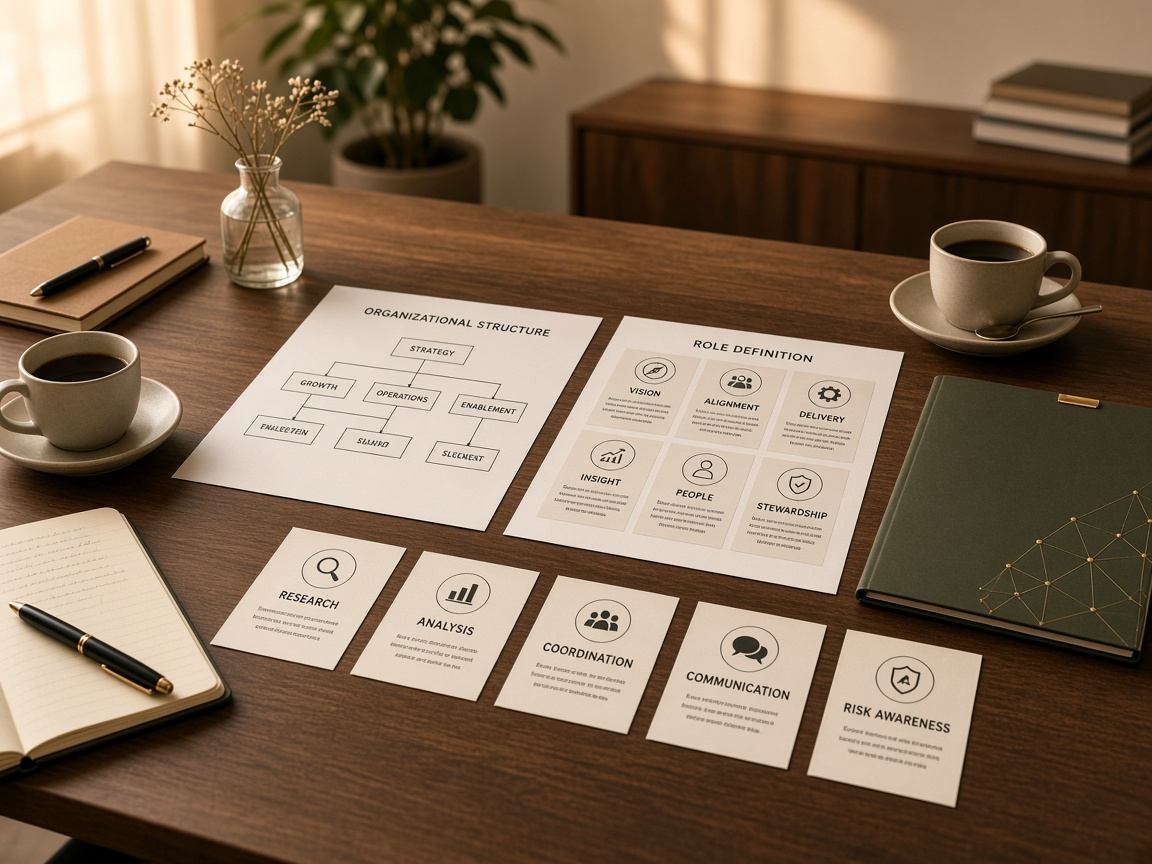
Map roles from behavior, not job titles
Begin with one recent purchase and ask participants to reconstruct who entered the process, when, and why. A CFO may be the economic buyer in one company but delegate authority in another. A controller can champion a change while also evaluating data migration. Procurement may negotiate terms without deciding whether the product solves the operating problem.
Build a role map from actions: who defined the need, collected options, ran the trial, requested security evidence, controlled funds, and could say no. For finance and operations software, a comparison involving QuickBooks might draw in bookkeeping users, IT, an external accountant, operations leadership, and an owner. The map should show influence and sequence, not merely an organization chart.
Interview across the committee
Do not rely only on the person who signed the agreement. The champion can explain the internal campaign; the blocker can expose unresolved risk; end users can reveal workflow costs hidden from leadership. Ask each person about the same decision independently before sharing your emerging interpretation. Differences between accounts are often the most valuable data.
Use neutral prompts from the customer interview guide: “What happened after the first demo?” “Who needed to be comfortable?” and “What evidence changed the conversation?” Ask what the participant personally did and observed. Avoid asking them to speak for colleagues when those colleagues can be interviewed directly.
Trace power, risk, and information
Three flows explain much of committee behavior. Power determines who can authorize, delay, or redefine the project. Risk shows what each person stands to lose, from budget credibility to business continuity. Information reveals which touchpoints give each role confidence. The economic buyer may need a credible total-cost narrative while a system administrator needs migration documentation.
Document the questions raised at every stage, the source trusted to answer them, and where answers failed to travel internally. Then connect those findings to touchpoint mapping. A strong sales call cannot help if the champion lacks a concise artifact to circulate before the budget meeting.